Bianca Vogel · 15 October 2026
Artisan Collaboration Drives Ergonomic Tool Innovation Fueling Expansion of Youth Carving Workshops in Community Settings
Artisan groups across multiple regions have joined forces in recent years to redesign carving implements, and the resulting ergonomic advances have directly supported growth in youth-oriented workshops held in schools, libraries, and neighborhood centers. Data from industry tracking shows participation in these programs rose by 28 percent between 2023 and 2025, with organizers attributing part of the increase to tools that reduce hand strain during extended sessions.
Partnership Models That Produced Measurable Tool Changes
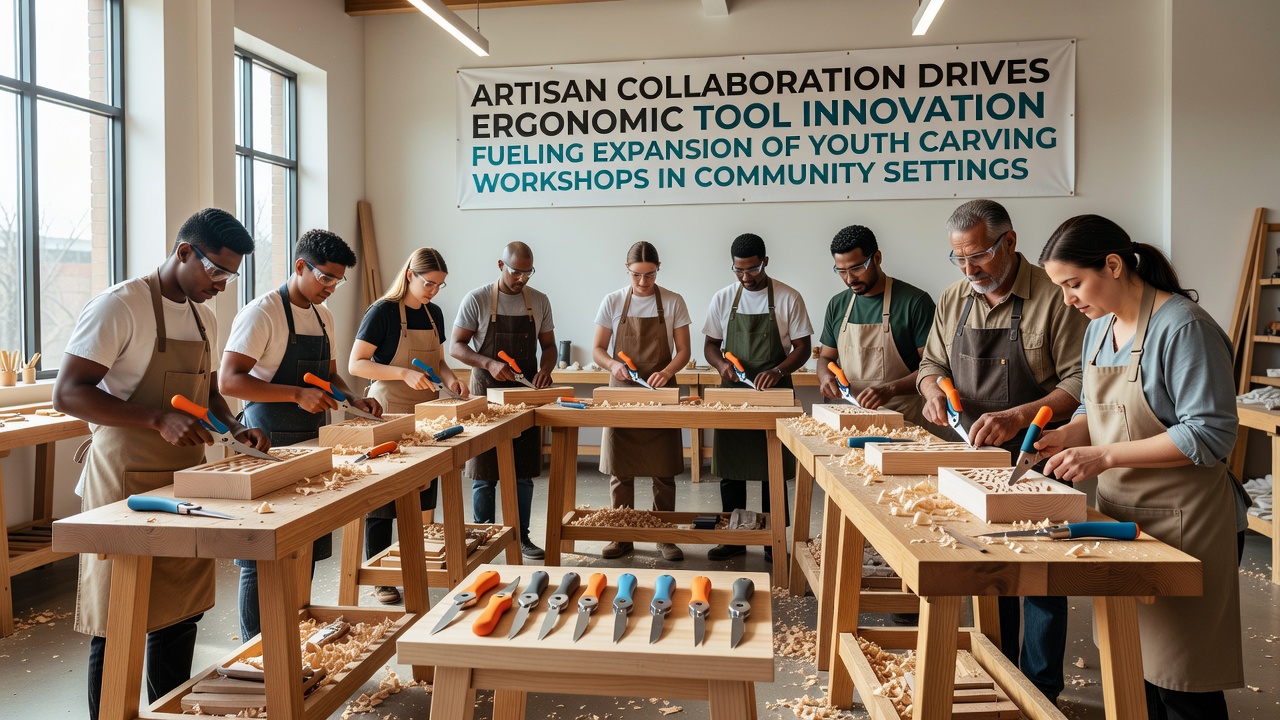
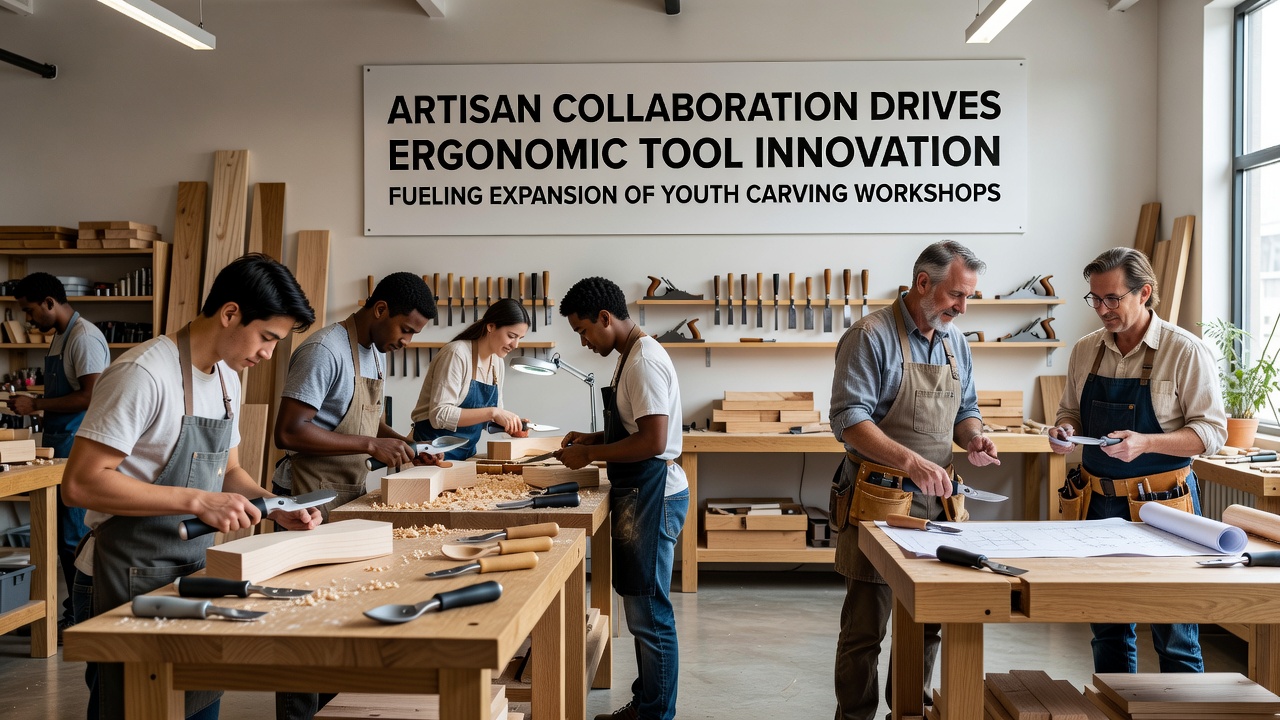
Teams composed of master carvers, occupational therapists, and small manufacturers met in structured roundtables to test handle angles, weight distribution, and grip textures. One collaborative project in the Pacific Northwest produced a mallet with a balanced head that cut reported wrist fatigue by nearly half according to participant logs collected over six months. Similar efforts in the Midwest yielded chisels fitted with contoured grips that accommodate smaller hands, allowing instructors to introduce younger learners without early discomfort.
Researchers at several craft education centers documented these iterations through before-and-after surveys, and the findings circulated among regional woodworking federations. The process relied on repeated field testing rather than laboratory simulation alone, which helped identify issues specific to prolonged community workshop schedules.
How Improved Tools Supported Program Growth
Community organizations that adopted the updated implements reported fewer interruptions from participant discomfort, which in turn let coordinators extend session lengths and accept larger enrollment numbers. In one Mid-Atlantic city, three after-school sites added carving electives once instructors confirmed the new tools met safety guidelines issued by the National Institute for Occupational Safety and Health. Expansion continued into rural counties where mobile workshop kits now include the redesigned pieces.
October 2026 marks the scheduled launch of a coordinated training series across ten states, where veteran carvers will demonstrate the collaborative tool sets to new facilitators. Registration figures released by the hosting craft councils already exceed prior year totals by 15 percent.
Geographic Spread and Supporting Data
Programs in Canada and Australia adopted parallel designs after exchanging specifications through online artisan networks. Figures released by the Canadian Wood Council indicate that ergonomic upgrades correlated with a 22 percent rise in youth workshop retention rates during the 2024-2025 cycle. Australian reports from state craft organizations show similar patterns, particularly in regional centers where access to specialized equipment had previously limited offerings.
Academic reviews from institutions in both countries examined injury logs and found measurable declines in repetitive strain complaints once the updated tools entered regular use. These outcomes encouraged additional municipalities to allocate modest equipment budgets toward the collaborative designs rather than standard commercial stock.
Training Structures That Accompanied Tool Adoption
Workshops incorporated short orientation modules on proper grip and posture before participants handled any implements. Instructors who completed certification through the new network reported that learners progressed to independent projects more quickly, which sustained interest across multi-week programs. Several sites paired these modules with short videos produced by the original artisan teams, creating consistent instructional language across locations.
Supply chains adjusted as well, with small-batch manufacturers prioritizing the collaborative specifications when fulfilling orders for community grants. This shift reduced lead times for replacement parts and kept program costs within existing funding envelopes.
Conclusion
Continued sharing of design specifications and usage data among artisan networks, therapists, and community program operators has produced a feedback loop that sustains both tool refinement and workshop expansion. Records kept by participating organizations show steady enrollment growth through the end of 2025, and plans for October 2026 events indicate the pattern is expected to persist as more sites integrate the ergonomic sets into regular programming.