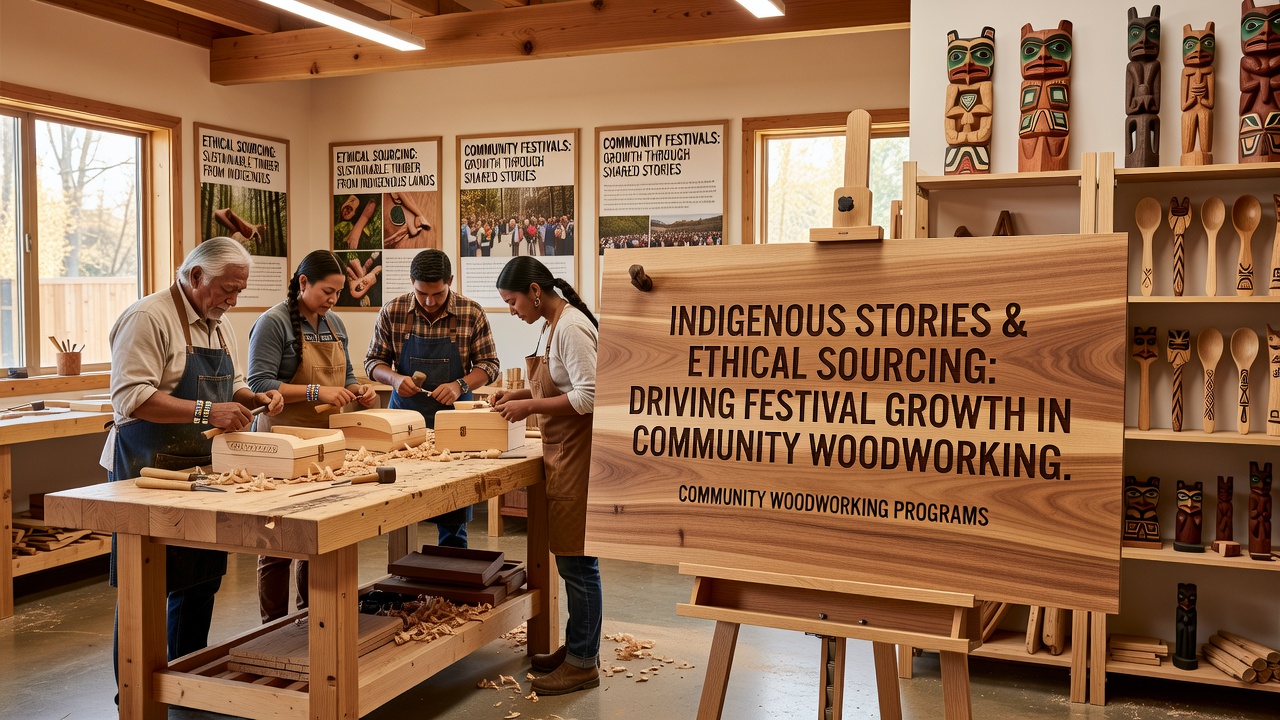
Jordan Fischer · 17 September 2026
Indigenous Knowledge Traditions Transforming Ethical Sourcing in Woodworking Communities and Sparking Festival Growth
Indigenous stories have long carried detailed information about forest cycles, tree health, and responsible harvesting methods that now inform ethical sourcing standards in community woodworking programs across multiple regions. These oral traditions, passed through generations, describe specific practices for selecting trees without disrupting ecosystems, and organizations have begun integrating those accounts into procurement guidelines. Data from forestry agencies shows increased adoption of such standards in programs located in North America and Australia since the early 2020s.
Stories as Practical Guides for Timber Selection
Many community woodworking initiatives now consult elders and knowledge keepers before purchasing materials, because those accounts specify seasonal indicators for mature timber and areas to avoid during collection. Researchers at institutions such as the University of British Columbia have documented how these narratives align with measurable outcomes in biodiversity retention when applied to sourcing protocols. Programs in British Columbia and the Pacific Northwest report that incorporating story-based criteria has led to partnerships with certified suppliers who verify harvest locations against traditional territories.
Ethical standards emerging from this approach require documentation of tree origin alongside cultural context, which creates traceability records that extend beyond basic certification labels. Observers note that woodworking collectives in these areas maintain logs that reference both scientific measurements and indigenous descriptions of soil conditions or animal habitats, and this dual system strengthens compliance during audits.
Festival Expansion Tied to Cultural Exchange
Woodworking festivals have grown in number and attendance as they incorporate demonstrations of techniques rooted in indigenous stories, drawing participants who seek both skill-building and cultural context. Events scheduled for September 2026 in several provinces and states include workshops where carvers demonstrate tools and methods described in local oral histories, and organizers report registration increases of 30 percent over previous years according to regional tourism data. These gatherings feature collaborative projects that use ethically sourced wood, allowing attendees to see how sourcing decisions connect directly to the stories shared during sessions.
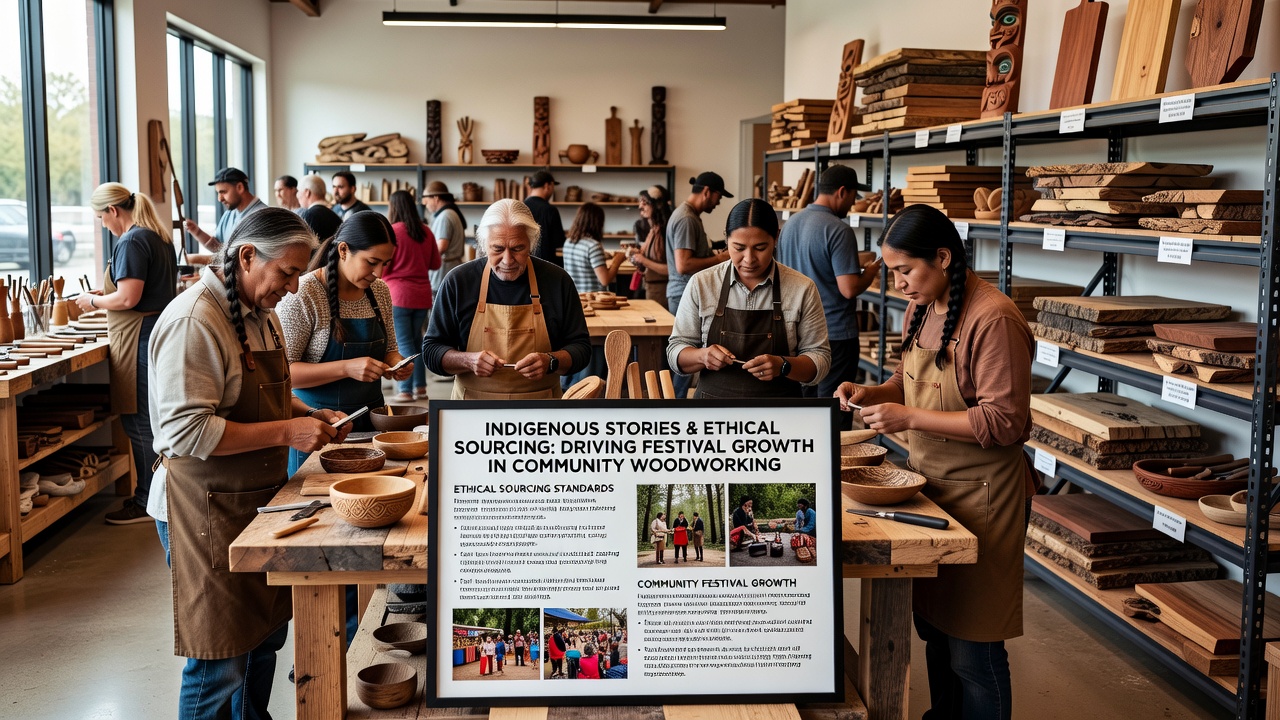
Attendance figures from similar festivals in 2024 and 2025 indicate steady expansion, with organizers attributing part of the growth to partnerships between community programs and indigenous cultural centers. Trade associations have tracked how these events create markets for small-scale producers who follow story-informed harvesting rules, and the resulting sales data shows higher volumes of certified wood moving through festival networks compared with standard retail channels.
Program Implementation Across Regions
Community woodworking programs in Australia have adapted Aboriginal accounts of land management to establish sourcing rules that limit extraction in sensitive zones, and government reports from the Department of Climate Change, Energy, the Environment and Water document reduced impact on native species when these rules apply. In Canada, federal initiatives through Natural Resources Canada support training modules that translate oral knowledge into written sourcing checklists used by apprenticeship groups. European programs, meanwhile, reference studies from research institutions that compare indigenous forest practices with contemporary sustainability metrics, leading some collectives to adjust their material lists accordingly.
Participants in these programs often complete joint projects where finished pieces carry labels that cite both the wood origin and the specific story elements guiding its selection. This practice has expanded the visibility of ethical standards at public exhibitions, where visitors encounter the connection between narrative tradition and material choice without additional explanation required.
Conclusion
Integration of indigenous stories into sourcing frameworks continues to shape standards applied by community woodworking programs, while festivals provide venues for broader dissemination of those practices. Records from multiple agencies confirm measurable shifts in supplier selection and event participation that trace back to these knowledge systems, and ongoing documentation efforts ensure the connection remains traceable for future participants.