Parker Foster · 29 October 2026
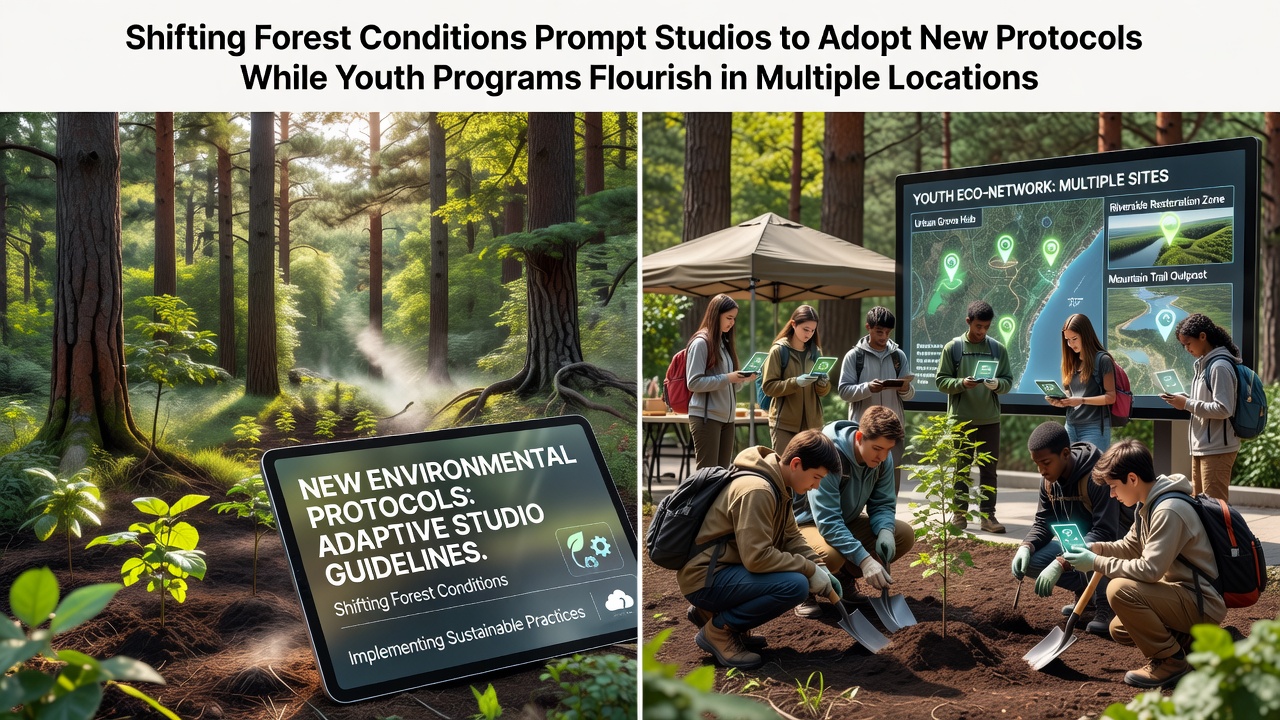
Shifting Forest Conditions Prompt Studios to Adopt New Protocols While Youth Programs Flourish in Multiple Locations
Forest conditions across North America and Europe have undergone measurable shifts in recent years, with data from government monitoring programs showing altered tree growth patterns, increased pest activity, and more frequent drought stress in key hardwood species used for carving; studios that rely on consistent supplies of oak, maple, and walnut have responded by implementing revised sourcing protocols that emphasize verified sustainable harvests and diversified material options.
Forest Data Reveals Ongoing Changes
According to records compiled by the USDA Forest Service, certain regions experienced a 15 to 20 percent reduction in mature oak stands between 2020 and 2025, a trend linked to combined effects of changing precipitation levels and expanding insect ranges, while Canadian forestry assessments from Natural Resources Canada noted similar pressures on maple populations in eastern provinces during the same period; these figures prompted carving studios to track supply chains more closely and adjust procurement practices accordingly.
Studios in the Pacific Northwest and the Appalachian region began requiring suppliers to provide documentation of third-party certification for all hardwood shipments starting in early 2025, a step that reduced reliance on single-source vendors and incorporated alternative species such as cherry and ash where forest inventories allowed; observers note that these adjustments occurred alongside broader industry efforts to maintain material quality without disrupting production schedules.
Studio Protocols Evolve in Response
Workshops in multiple states revised their internal guidelines to include quarterly inventory reviews and partnerships with regional mills that follow selective harvesting methods, measures designed to align with updated environmental standards from bodies like the European Environment Agency that track cross-border wood trade; one facility in Oregon integrated digital tracking software to log wood origin and moisture content, allowing carvers to verify compliance before beginning new projects.
These protocol updates extended to tool maintenance routines as well, with several studios coordinating bulk orders of ergonomic handles and blades from established manufacturers to support consistent output despite variable wood densities, a practical response that kept projects on track even when batches arrived with slightly different characteristics than anticipated.
Youth Programs Expand Across Regions
While studios refined their operational approaches, youth carving programs reported steady growth in enrollment and geographic reach through 2026, with community centers in Colorado, Minnesota, and Vermont launching additional sessions that paired young participants with experienced mentors; program coordinators documented over 1,200 new registrations nationwide during the spring and summer months alone, supported by partnerships with local schools and after-school networks.

Training modules in these programs incorporated lessons on wood selection that reflected current forest conditions, teaching participants to recognize grain patterns suited to different tools and finishes, while sessions held in October 2026 highlighted collaborative projects that combined traditional relief carving with contemporary design elements; attendance records from similar initiatives in the United Kingdom and Australia showed parallel increases, indicating the trend extended beyond North American locations.
Funding for these efforts came partly from regional arts councils and educational grants that prioritized hands-on skill development, allowing organizers to supply starter toolkits and maintain safe workshop environments without raising participant fees; instructors reported that students progressed from basic cuts to more complex forms within eight-week cycles, outcomes tracked through portfolio reviews and exhibition displays at community events.
Connections Between Supply Adjustments and Education
Industry reports from the American Hardwood Export Council indicate that studios supplying wood to educational programs coordinated with mills to reserve portions of certified stock specifically for youth workshops, ensuring material availability even during periods of tighter overall supply; this coordination helped maintain program continuity while reinforcing awareness of sustainable practices among younger participants.
Research compiled by university forestry departments in both the United States and Canada has documented how such integrated approaches can support long-term resource management, with studies showing that diversified sourcing combined with educational outreach correlates with higher rates of certified material use across small-scale operations; those findings have informed planning meetings among studio owners and program directors throughout 2026.
Conclusion
Shifting forest conditions have led carving studios to adopt updated sourcing and inventory protocols, while youth programs have continued to expand in multiple locations with measurable increases in participation and geographic coverage; the combination of these developments points to an industry adapting its material practices alongside sustained investment in skill transmission across generations.